Building blood-based epigenetic tests that clinical labs can implement.
We combine computational methylation biomarker discovery, patented native-DNA assay chemistry, and PCR-based readout to develop blood-based tests for cancer detection, differential diagnosis, and future applications across precision oncology. Our platform is built to move from biological insight to scalable laboratory implementation, using the instruments clinical labs already have.
We are not building one cancer test. We are building the platform architecture that transforms epigenetic biomarkers into blood-based molecular tests.
Our proprietary technology platform integrates AI-driven biomarker discovery, patented assay architecture, proprietary probe design, and PCR-compatible implementation into one scalable system.
This architecture enables multiple methylation biomarkers to be measured within a single PCR reaction, supporting sensitive, accessible blood-based testing while keeping implementation compatible with the PCR instruments laboratories already use.
Discover. Detect. Deliver.
One platform architecture transforms biological insight into deployable molecular tests. The same system can be adapted across tumor types, clinical applications, and healthcare settings.
Biomarker intelligence
Our AI-driven bioinformatics platform identifies high-value epigenetic biomarkers using proprietary and publicly available datasets, creating the biological foundation for every new molecular product.
Patented assay architecture
Our patented assay architecture combines proprietary probe design and enzymatic methodology to measure multiple methylation biomarkers within a single PCR reaction, designed to increase biomarker signal and reduce dependence on any single genomic region.
PCR-ready molecular tests
Validated biomarker panels become deployable molecular assays compatible with existing qPCR and digital PCR workflows, enabling rapid implementation without specialized instrumentation.
More biomarker information without adding laboratory complexity.
Our platform is designed to improve molecular testing performance while keeping implementation practical, accessible, and compatible with existing PCR laboratory infrastructure.
Multiple biomarkers, one reaction
Measure several methylation biomarkers within a single PCR reaction, improving sensitivity without adding workflow complexity.
Reduced heterogeneity bias
Reading biomarkers across different genomic regions helps reduce the impact of intratumoral heterogeneity.
Native-DNA methylation detection
A conversion-free workflow reduces sample degradation and simplifies laboratory processing.
PCR-ready implementation
Compatible with standard real-time PCR and digital PCR systems already used by clinical laboratories.
Fast molecular readout
Designed to deliver results in approximately 24 to 36 hours, without specialized sequencing runs.
Scalable architecture
The same platform architecture can support new biomarkers, tumor types, and future applications across the cancer care continuum.
From biomarker discovery
to deployable molecular tests.
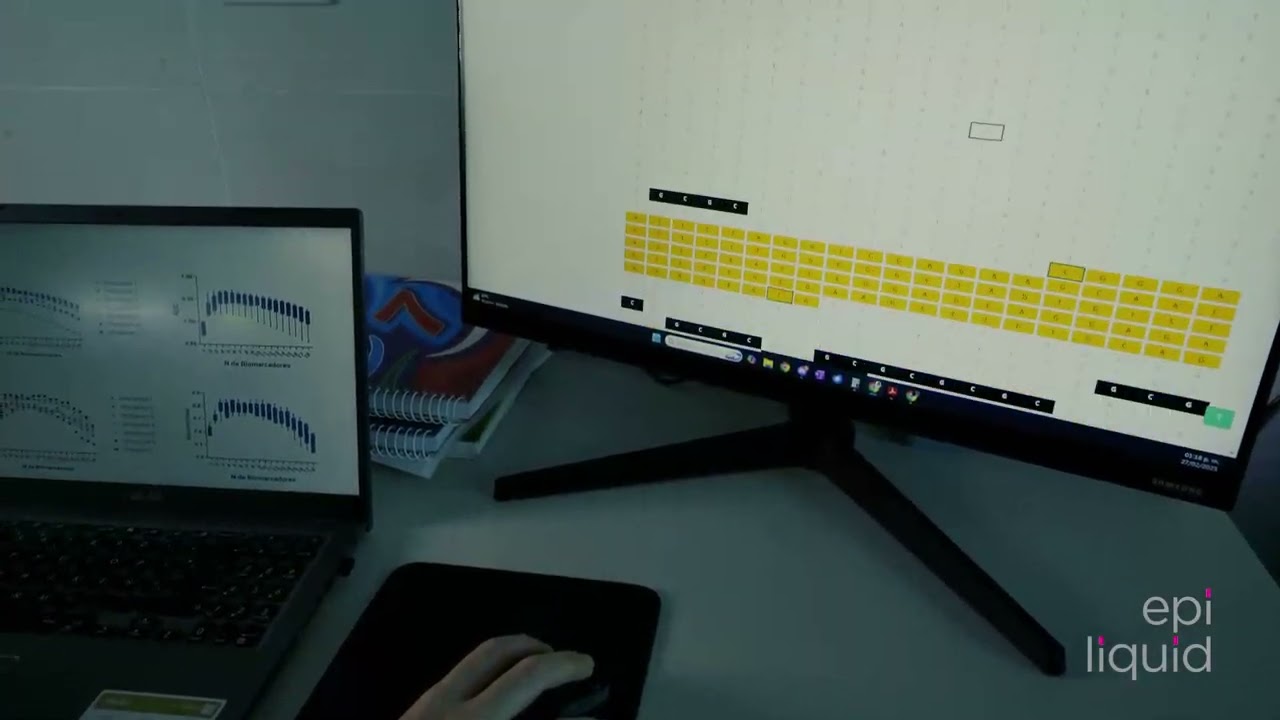 ▶ Play platform explainer
Scientists, operators, and builders.
Two life-sciences exits, deep epigenetics research, and advisors who have built and sold category-defining biotech.
Our investors.
Science-driven investors backing the platform from the ground up.


Let’s build the future of blood-based molecular testing.
Investors, clinical partners, laboratory networks, and co-development teams, we’d like to hear from you.